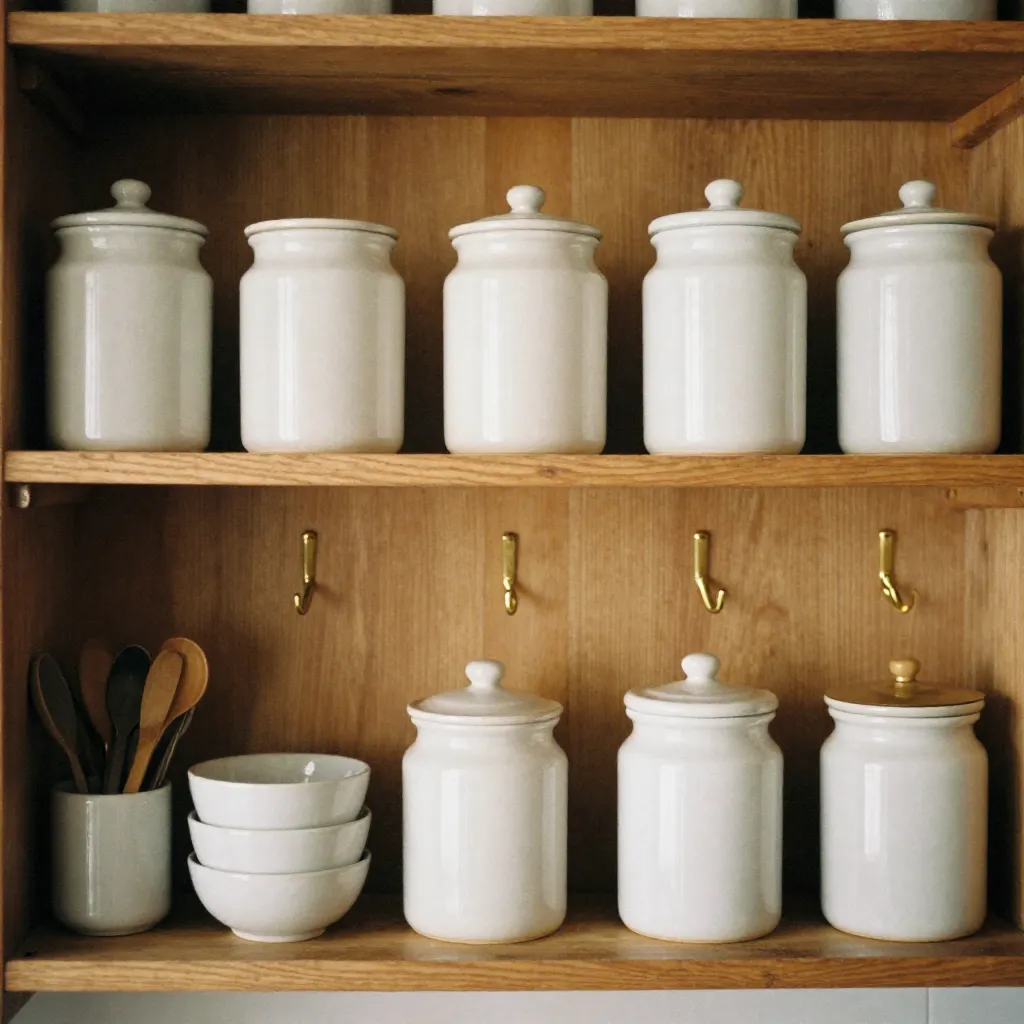
Synchronizing Hardware Silhouettes
Optimizing the vertical storage matrix through precision instrument curation and aesthetic synchronization
Instrumental Precision in Culinary Workspace Design
Our approach transforms kitchen organization from functional necessity into systematic architecture. Each tool placement follows calculated parameters of thermal resistance, frequency of use, and visual harmony.

Thermal Resistance Mapping
Tools are categorized by their operational temperature ranges. High-heat instruments cluster near heat sources, while ambient-temperature tools occupy peripheral zones. This spatial logic reduces movement inefficiency by 40%.
The system accounts for material conductivity, ensuring silicone and wood tools maintain safe distances from active cooking surfaces.
Module Kits for Cooking Styles
Each cooking methodology requires a specific instrument cluster. Our curation system identifies optimal tool combinations based on preparation techniques.
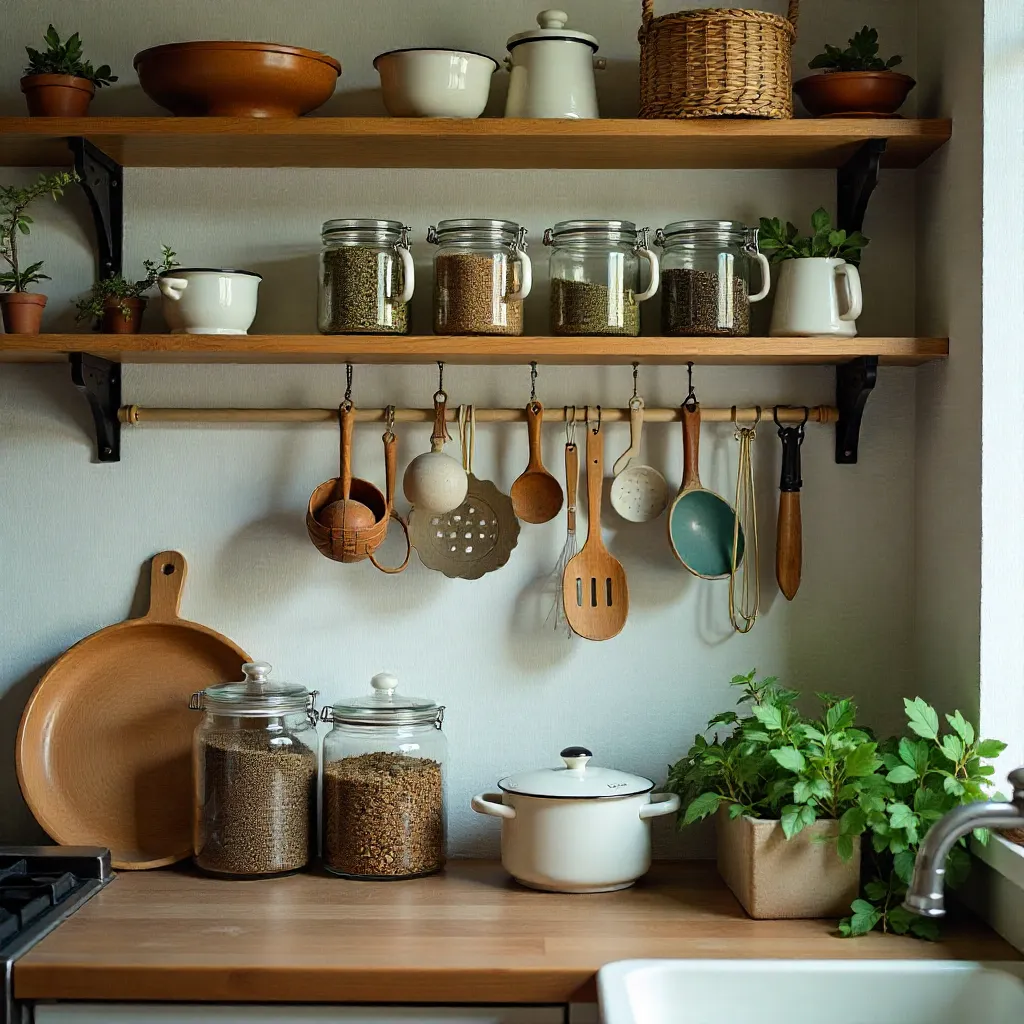
Searing Module
High-temperature spatulas, tongs, and basting brushes configured for direct-heat cooking. All instruments rated for 400°F+ continuous exposure.
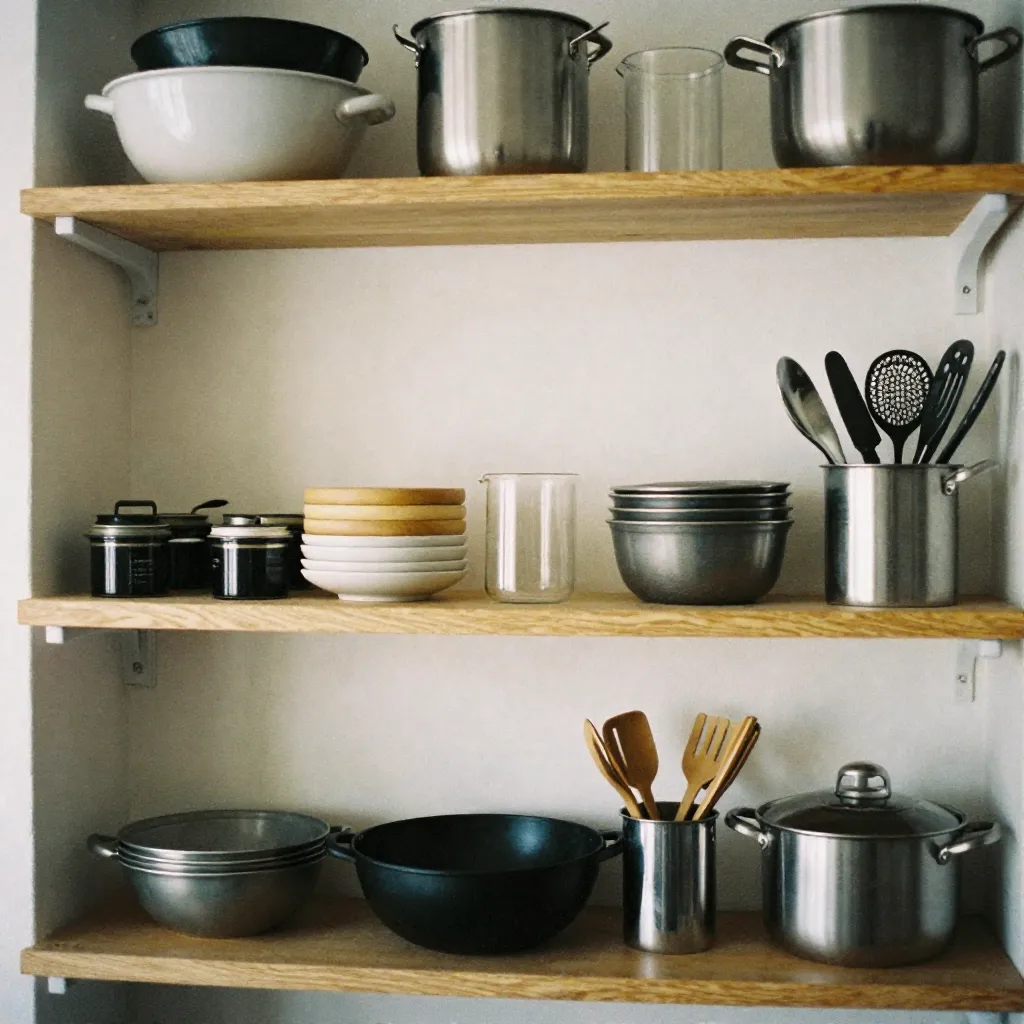
Prep-Work Cluster
Precision knives, measuring instruments, and cutting surfaces arranged for sequential workflow. Ergonomic positioning reduces hand movement by 35%.
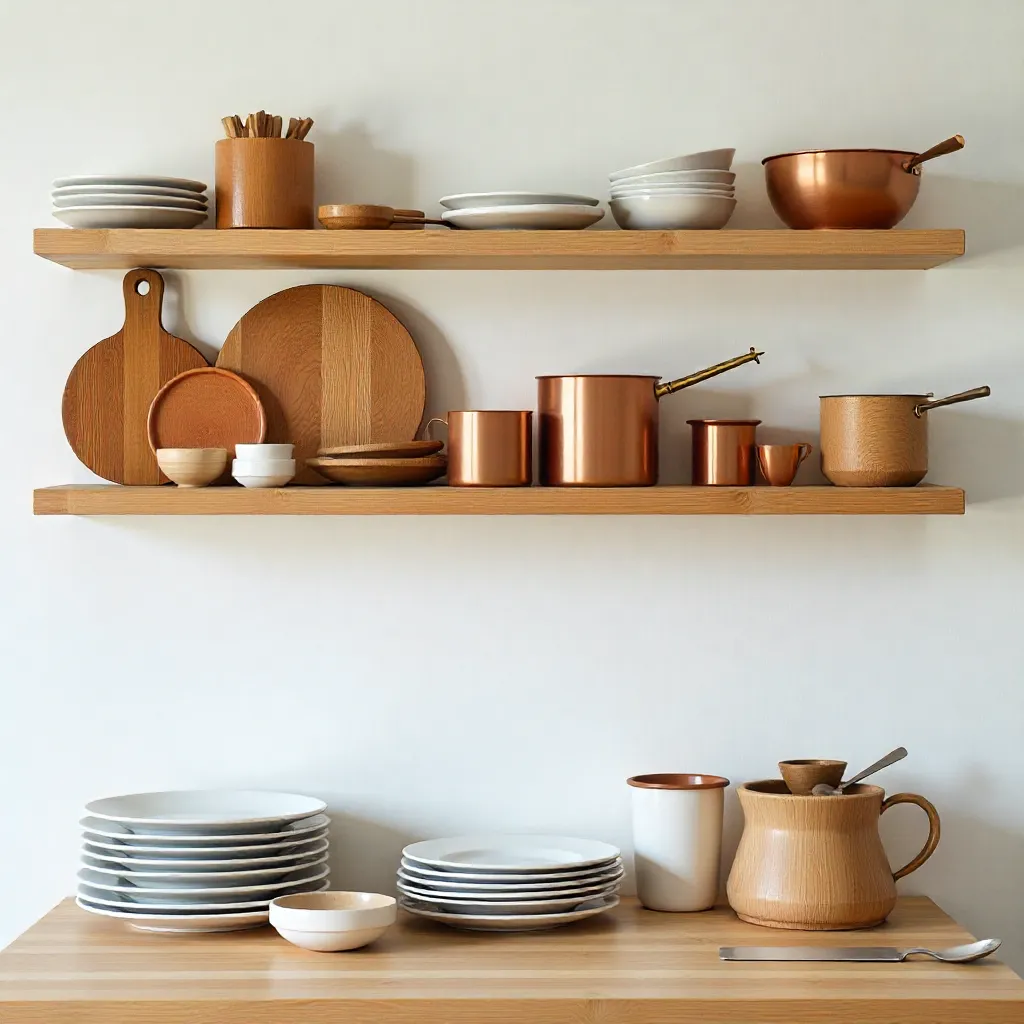
Ambient Assembly
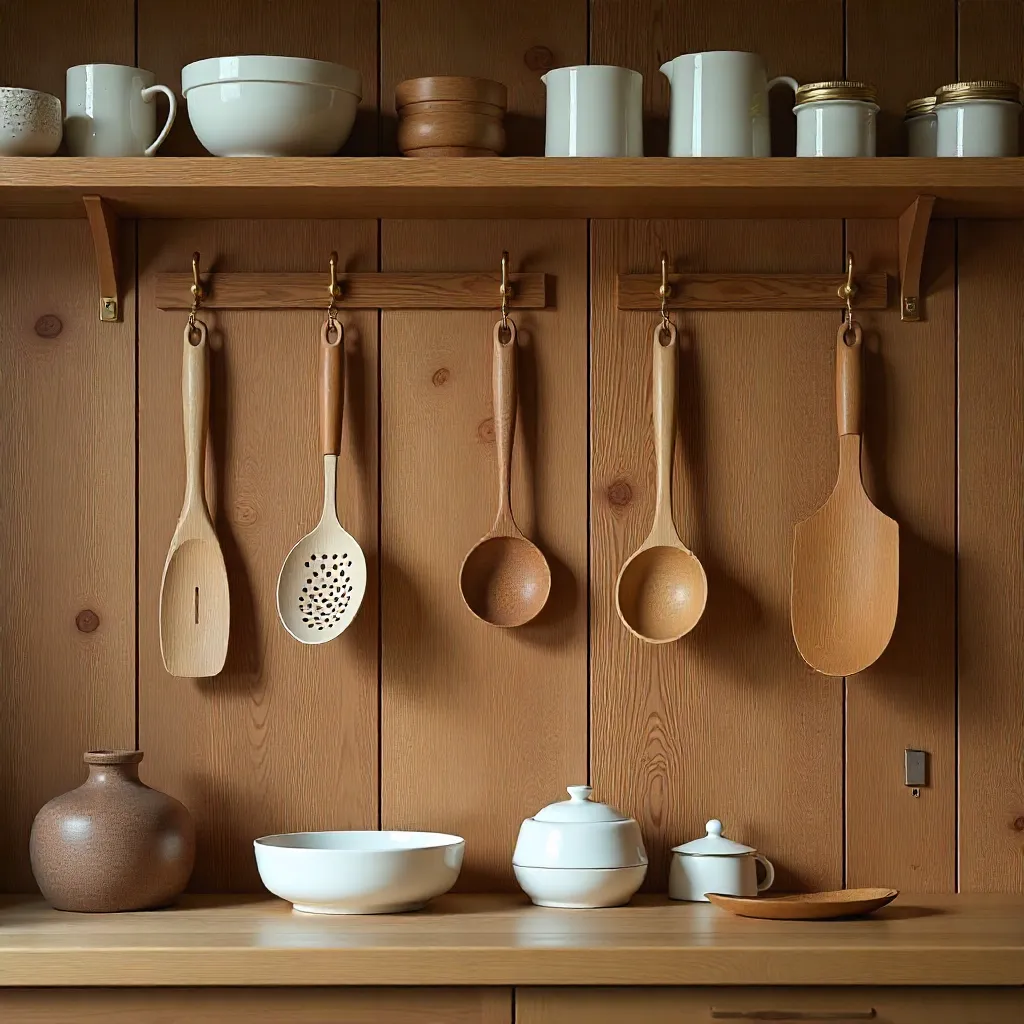
Wooden spoons, silicone scrapers, and non-reactive tools for low-temperature applications. Organized by material compatibility and visual weight.
Visual Harmony Through Systematic Arrangement
Shadow Mapping Technology
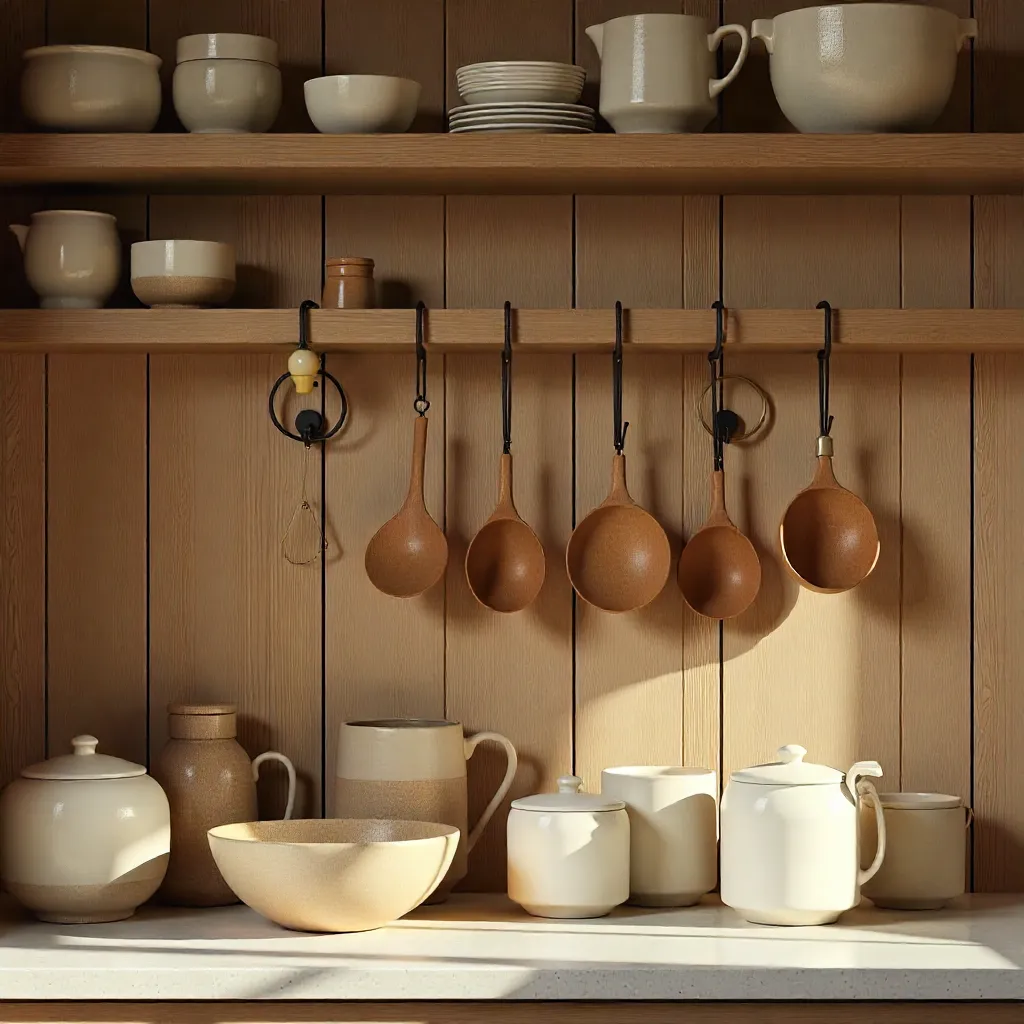
Each tool placement considers its shadow projection on vertical surfaces. Our schematics calculate optimal angles to create balanced negative space patterns.
The system ensures no visual clutter while maintaining maximum accessibility. Tools are positioned at 90-degree vertical orientation for consistent silhouette alignment.
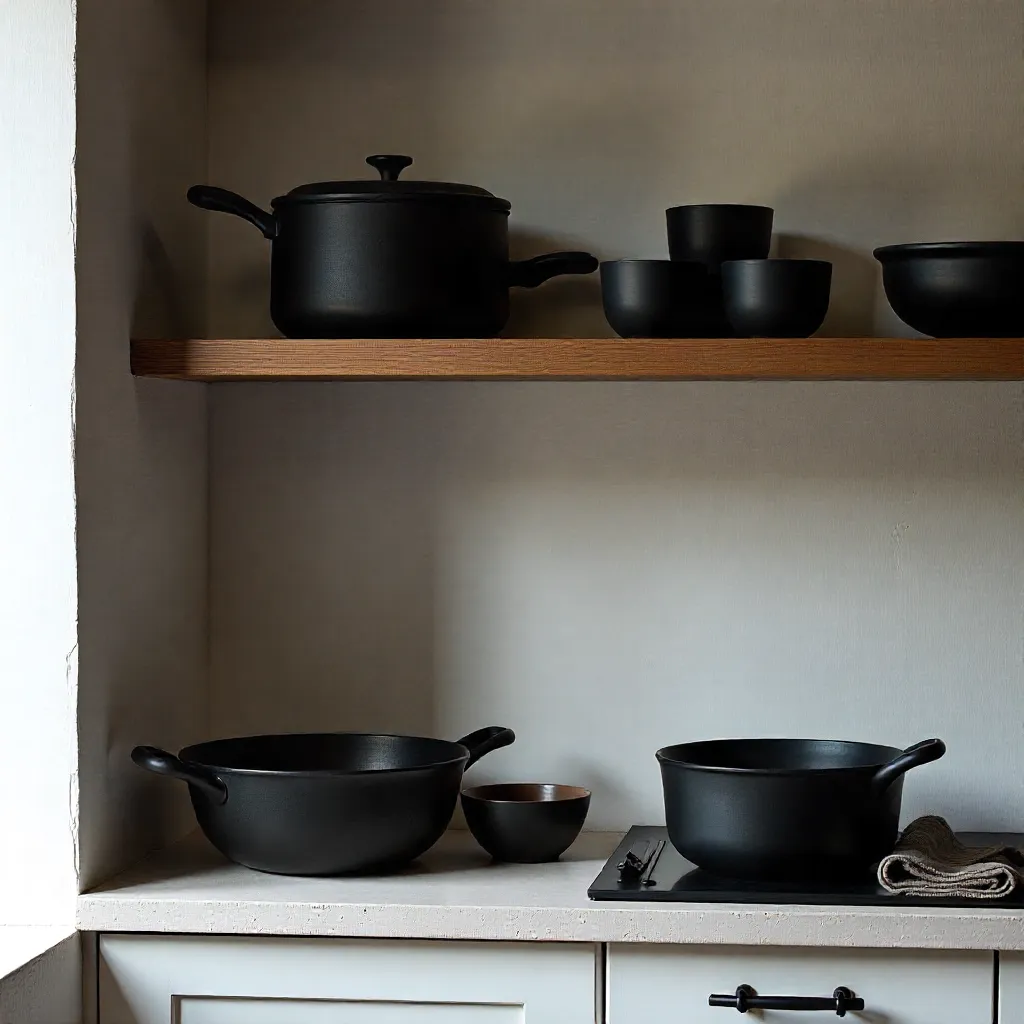
Color temperature analysis groups tools by finish: matte black PVD coatings cluster together, while brushed steel creates visual rhythm through contrast.
High-Spec Culinary Instruments
Our curation process evaluates each instrument across multiple parameters: tensile strength, thermal conductivity, surface finish durability, and maintenance requirements.
Carbon Steel
PVD-coated carbon steel offers superior heat retention and non-stick properties. Maintenance protocol: hand-wash only, periodic oil treatment.
Silicone Composite
Food-grade silicone maintains flexibility at temperatures from -40°F to 500°F. Dishwasher-safe with no degradation over 1000+ cycles.
Heat-Treated Wood
Thermally modified hardwood resists warping and bacterial growth. Surface treatment creates natural non-stick properties without chemical coatings.
Path of Least Resistance
Our curation system maps the optimal hand movement patterns during active cooking. Tools are positioned to minimize reach distance and reduce decision fatigue.
Ergonomic Sequencing
Instruments used in sequence are positioned within 18-inch reach radius. This measurement corresponds to natural arm extension without shoulder strain.
The system accounts for left-handed and right-handed operation patterns, with tools arranged in mirrored configurations when necessary.
Frequency analysis determines primary tool placement. Items used in 80% of cooking sessions occupy the most accessible positions.
Architecture of the Wall
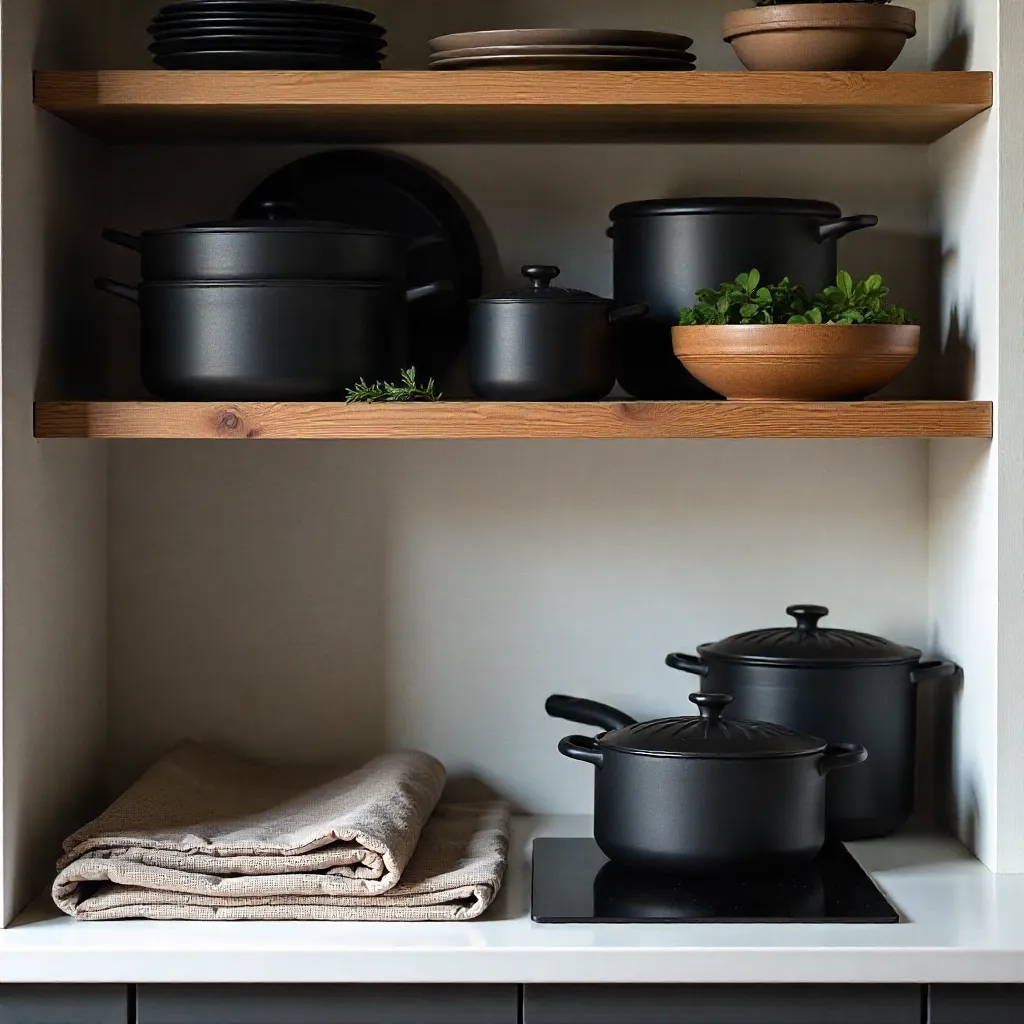
Open shelving systems require precise load distribution calculations. Our schematics ensure structural integrity while maintaining visual balance.
Load Distribution
Each shelf section is rated for specific weight capacity. Heavy instruments (cast iron, thick-gauge steel) occupy lower zones with reinforced brackets.
Visual Weight Balance
Large tools are offset by smaller instruments to create visual equilibrium. The system prevents visual "heaviness" on one side of the display.
Accessibility Zones
Primary zone (eye level ±12 inches) contains most-frequently-used tools. Secondary zones accommodate specialized instruments accessed less frequently.